Monsoon streetwear in Kolkata is a genuine engineering problem. Between June and September the city gets heavy, sustained rain, the drains give up in several neighbourhoods, and humidity sits high enough that nothing ever quite dries.
This is what actually works, tested against a city that floods.
The Monsoon Streetwear Fabric Rule
Heavy cotton is wonderful for nine months and a mistake for three. Once soaked it holds water, clings, and takes most of a day to dry in ambient humidity.
For monsoon, choose lighter-weight cotton or a cotton blend that sheds water faster. Avoid thick denim, anything lined, and pure linen — linen creases catastrophically once wet and never recovers its shape the same day.
Colour Is a Practical Decision
Waterlogged Kolkata streets do not splash clean water. Whatever comes up from a passing bus hits knee height and it is not water alone.
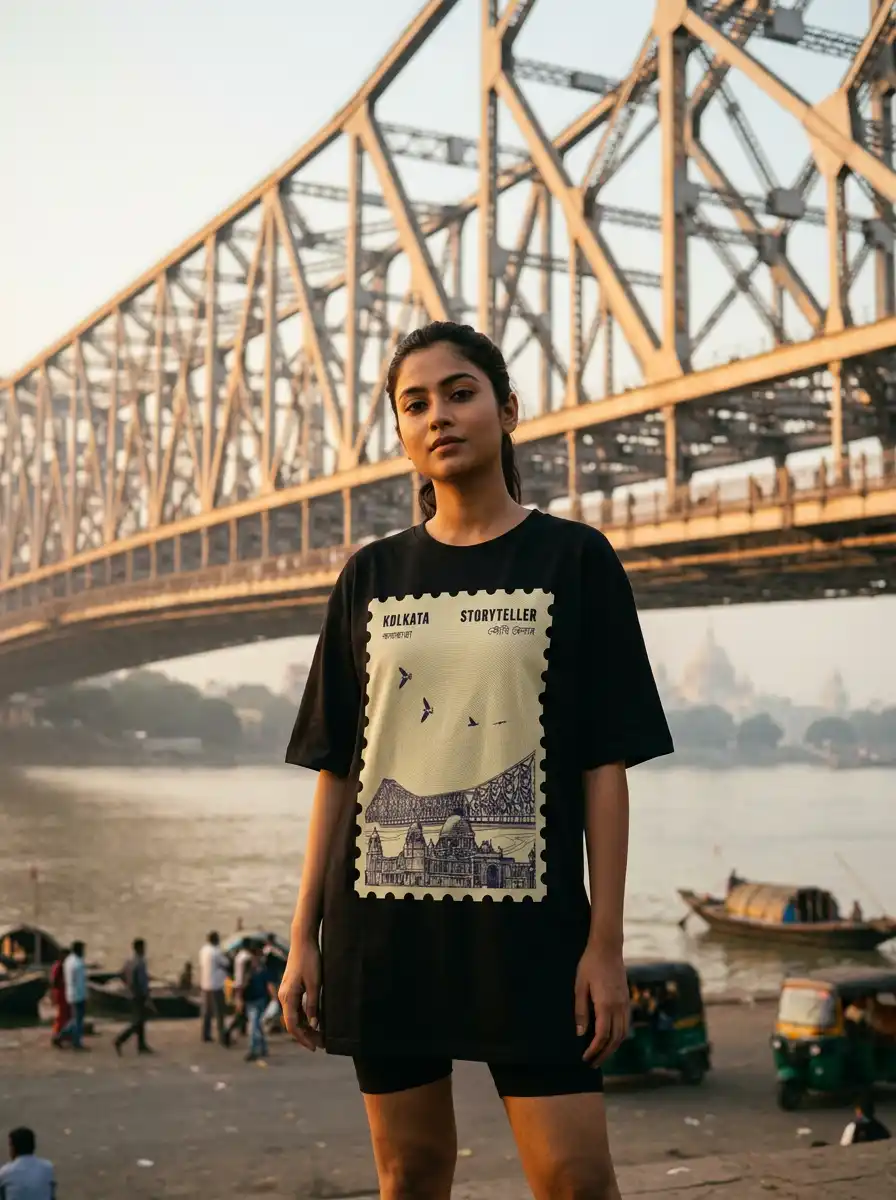
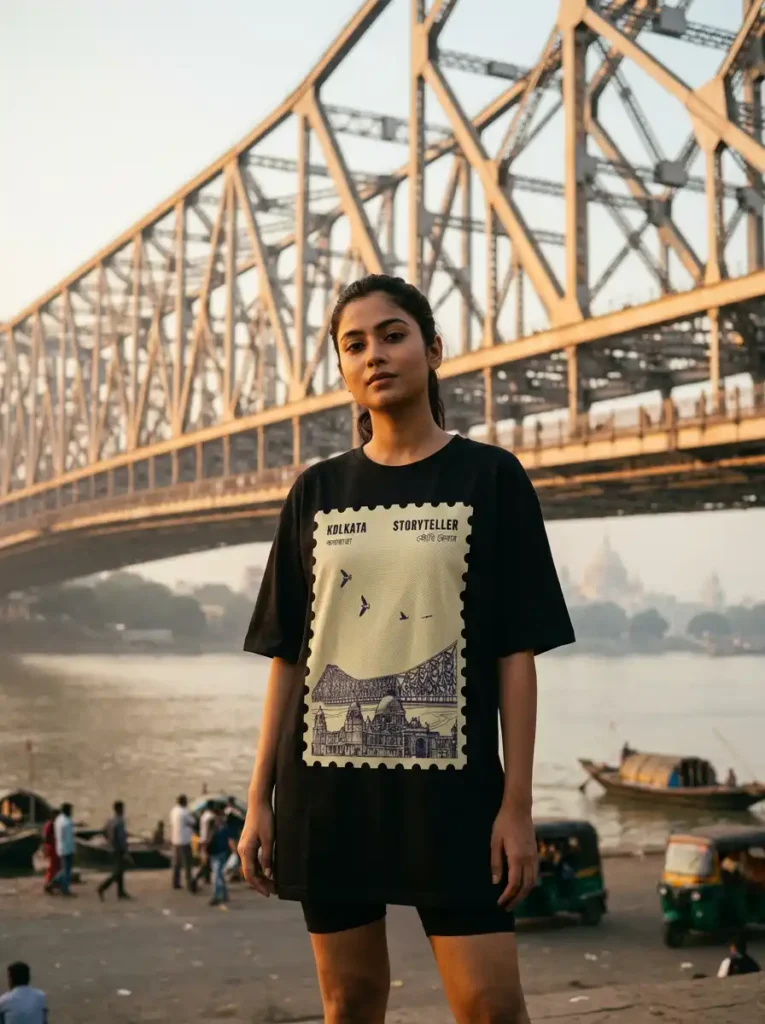
Dark colours — black, charcoal, deep olive, navy — hide splashback, dry marks and the grey tidelines that light fabric shows permanently. This is the season to retire white and pastels entirely. A black graphic tee is close to monsoon uniform for good reason.
Footwear: Accept the Loss
The single biggest monsoon mistake is wearing shoes you care about. Leather is ruined by repeated soaking, suede is finished after one bad evening, and canvas sneakers hold water for days and start to smell.
What works: rubber sliders, moulded sandals, or genuinely waterproof shoes with a sole that grips wet marble — the surface outside most older Kolkata buildings, and lethal when wet. Keep one dry pair at work or college and commute in the disposable pair.
The Layer You Can Remove
Monsoon temperature swings are deceptive. It is hot and airless before the rain, sharply cooler during it, then humid again within the hour.
An unbuttoned overshirt or light jacket you can tie around your waist handles all three states. Avoid hoodies — the hood holds water against your neck for hours.
What to Carry
A compact umbrella. Raincoats trap humidity and turn into personal saunas within minutes.
A dry bag or plastic sleeve for phone, wallet and laptop. Ordinary backpacks are not waterproof.
A spare tee from Ashtami onwards if you are pandal hopping — see the Durga Puja guide.
A small towel. Unglamorous and the most useful thing in your bag.
Drying and Storage Actually Matter
In sustained humidity, clothes left damp develop mildew within a couple of days, and mildew on a printed tee is effectively terminal.
Dry indoors with a fan rather than in still air, never fold anything that is not fully dry, and keep printed tees away from direct heat sources — see the care guide for why direct heat destroys prints.
The Fit Shifts Slightly
Wet fabric clings, which makes very slim fits uncomfortable and unflattering the moment you are caught out. A relaxed or oversized cut keeps fabric off the skin and dries noticeably faster because air can move through it.
Roll trouser cuffs once. It looks deliberate and keeps three inches of hem out of the water.
Built for the Weather
Our tees are premium cotton designed to hold colour through repeated monsoon washing. Tag #storyteller_india when you wear yours and we will repost our favourites on Instagram.