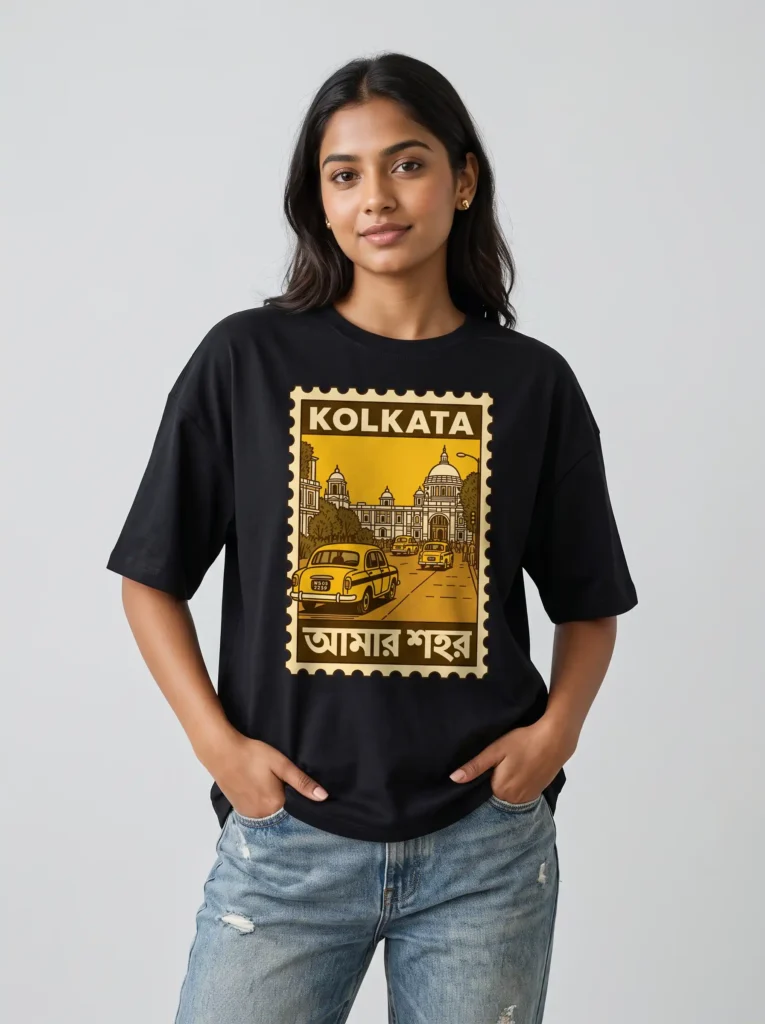
Bengal streetwear gets compared to Mumbai and Delhi constantly, usually by people concluding Kolkata is behind. It is not behind. It is running a different model, with different values and a different definition of what clothing is for.
Here is the honest comparison.
Mumbai Sells Aspiration
Mumbai street style is built on proximity to the industry. Film, advertising, fashion and money all sit in the same few square kilometres, and the clothing reflects an economy where looking successful is a working investment.
The result is polished, trend-responsive and fast. Global drops land here first. It is the most commercially sophisticated street scene in the country, and also the most anxious — because a look that signals status has to keep signalling it.
Delhi Sells Status
Delhi is louder and more overtly hierarchical. Labels are legible from a distance by design, silhouettes are bolder, and there is a genuine streetwear-meets-luxury culture with real money behind it.
Delhi also has the country’s harshest seasonal range, which produces the most developed layering culture in India. Kolkata, stuck at humid for most of the year, never had to learn that.
Kolkata Sells a Point of View
Bengal streetwear largely opted out of both competitions. A shirt here is not primarily signalling wealth or trend-awareness; it is signalling what you think.
That is why text dominates over logos, and why references — to film, literature, politics, language — outperform branding. In a city where showing off is quietly disapproved of but being interesting is rewarded, the clothing adapted accordingly. More on how that formed in our piece on how Kolkata built its street style.
The Money Difference Is Real
It would be dishonest to pretend this is purely philosophical. Kolkata has a lower disposable-income ceiling than Mumbai or Delhi, and that shapes everything — smaller wardrobes, longer replacement cycles, more weight on durability.
But the constraint produced something rather than merely limiting it. When you own six good pieces instead of forty, each one has to be worth wearing repeatedly, which pushes toward designs with actual content rather than novelty.
Where Kolkata Genuinely Leads
Typography. No other Indian city treats script as a design subject the way Kolkata does.
Longevity. Pieces are bought to be kept, so quality per item runs high.
Wit. The bar for a slogan is considerably higher here; lazy lines get mocked.
Comfort honesty. Nobody suffers for a silhouette in this humidity.
Where It Genuinely Lags
Fairly: production infrastructure, retail polish and photography are all stronger in Mumbai. Brand-building is more professional there. Kolkata labels are often under-marketed relative to how good the design is.
Fit ranges can also be narrower, and drop cadence is slower. If you want the newest global silhouette immediately, Kolkata is not where it lands first.
Which One Is Right For You
If you want clothing that keeps pace with global trends, Mumbai’s model serves you better. If you want clothing that makes an impression through visible investment, Delhi does.
If you want a small wardrobe of things that say something specific and survive several years of hard wearing, Bengal streetwear is the better buy. Start with the right fit and build slowly.
Buy the Point of View
Our prints come from Kolkata specifically — its language, its films, its arguments. Tag #storyteller_india when you wear one and we will repost our favourites on Instagram.